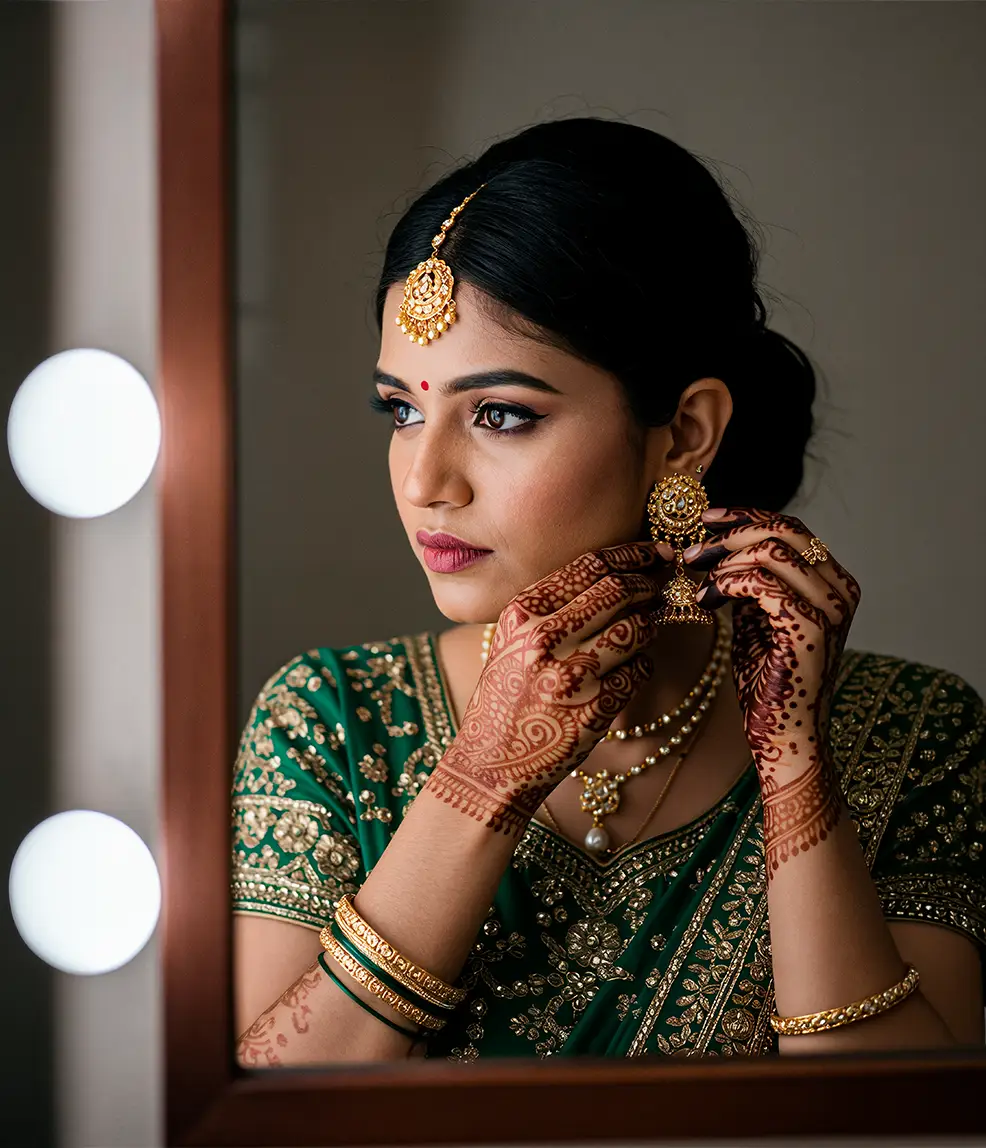
Body Whitening in Kottayam: Safe Methods for Radiant Skin
Body Whitening in Kottayam: Safe Methods for Radiant Skin
Body Whitening in Kottayam: Safe Methods for Radiant Skin
Table of Contents
Achieving a luminous, uniform complexion requires more than basic moisturizers. Professional Body Whitening therapies target deep-seated pigmentation caused by UV exposure, hormonal fluctuations, and friction. At Feminspace in Kottayam, we combine modern clinical science with customized aesthetic care.
What is Body Whitening? Body whitening refers to advanced dermatological procedures designed to reduce hyperpigmentation, clear sun damage, and unify skin tone across the body. Using medical-grade peeling, Q-switched lasers, and topical antioxidants, these non-invasive treatments inhibit excess melanin synthesis safely and effectively.
Understanding Melanin and Hyperpigmentation
Skin color depends primarily on melanin production. When environmental stressors like intense solar radiation strike unprotected skin, melanocytes accelerate pigment output. Melanogenesis is the complex biochemical process where specialized cells called melanocytes produce melanin pigment in response to UV radiation or inflammation. Over time, localized pigment clusters form dark spots on elbows, knees, neck, and shoulders.
Understanding this biological mechanism is essential before embarking on any brightening routine. According to a recent industry trend report by the International Society of Aesthetic Plastic Surgery, non-invasive skin brightening procedures have seen a 34% surge in demand across tropical regions over the past three years. Clients no longer seek dangerous bleaching chemicals; they demand evidence-based dermal therapies that protect skin barrier integrity while correcting blotchiness.
Key Takeaways
- Dermatologist-guided procedures prioritize epidermal safety over rapid, temporary cosmetic bleaching.
- Combining Q-switched laser light with superficial chemical exfoliation produces superior tone uniformity.
- Daily application of broad-spectrum SPF 50+ is mandatory to sustain results in humid tropical climates.
Modern Body Whitening Clinical Procedures
A premier aesthetic center must tailor interventions to individual Fitzpatrick skin types. Exploring body whitening professional treatments for glowing skin provides deep insight into how dermatologists restore clarity without triggering post-inflammatory hyperpigmentation.
Chemical Peels and Dermal Exfoliation
Medical peels utilize precise concentrations of alpha-hydroxy acids (AHAs), beta-hydroxy acids (BHAs), and trichloroacetic acid (TCA). These chemical solutions dissolve cellular bonds holding dead, pigmented keratinocytes together. Once the superficial skin layer sheds, fresh dermal tissue emerges. Lactic acid and glycolic acid formulations prove particularly gentle yet effective for bodily hyperpigmentation.
Laser Tone Correction
Q-switched Nd:YAG lasers represent the gold standard in non-surgical pigment reduction. High-energy light pulses target dark melanin deposits within seconds. The laser energy shatters microscopic pigment granules without harming surrounding dermal architecture. Macrophages then digest and clear these shattered fragments naturally through the lymphatic network. Integrating clinical methods for even skin tone ensures patients achieve visible clarity within three to five sessions.
Topical Tyrosinase Inhibitors
Effective advanced Body Whitening treatments rely on active compounds that block tyrosinase—the enzyme responsible for turning tyrosine into melanin. Ingredients like kojic acid, arbutin, vitamin C (L-ascorbic acid), and tranexamic acid serve as potent inhibitors. Dermal specialists frequently combine these topicals with micro-needling or iontophoresis to enhance transdermal absorption.
Tailoring Body Whitening Treatments for Kerala’s Climate
Kottayam experiences intense humidity and strong solar exposure throughout most of the year. This atmospheric profile accelerates oil secretion and sweat accumulation, which can exacerbate dermal friction and post-inflammatory darkening in skin folds. Consequently, adopting a localized guide to radiant Kerala skin remains crucial for long-term satisfaction.
Clients living in tropical humid conditions must maintain continuous UV protection. Research published by the American Academy of Dermatology emphasizes that unprotected sun exposure quickly reverses multi-session clinical brightening work. Applying broad-spectrum mineral sunscreens containing zinc oxide creates a physical shield against aggressive UVA and UVB rays.
Furthermore, choosing safe Body Whitening methods ensures lasting clarity without damaging delicate skin layers. Clinical studies indexed on the National Center for Biotechnology Information confirm that gentle, multi-stage enzymatic treatments outperform harsh, aggressive chemical peels in high-melanin skin types common across South Asia.
Post-Treatment Protocol for Lasting Radiance
Sustaining flawless results demands disciplined aftercare. Immediately following laser sessions or chemical peels, skin remains sensitive to thermal heat and mechanical stress. Adhere to these essential recovery guidelines:
- Avoid hot showers, steam rooms, and intense cardiovascular exercise for 48 hours post-procedure.
- Apply non-comedogenic ceramide moisturizers twice daily to rebuild barrier lipid layers.
- Refrain from physical scrubs, loofahs, or manual exfoliation during active peeling phases.
- Reapply broad-spectrum sunscreen every three hours when outdoors.
By pairing professional clinical intervention with strict home maintenance, achieving smooth, luminous, and evenly toned skin across your entire body becomes a safe and attainable reality.